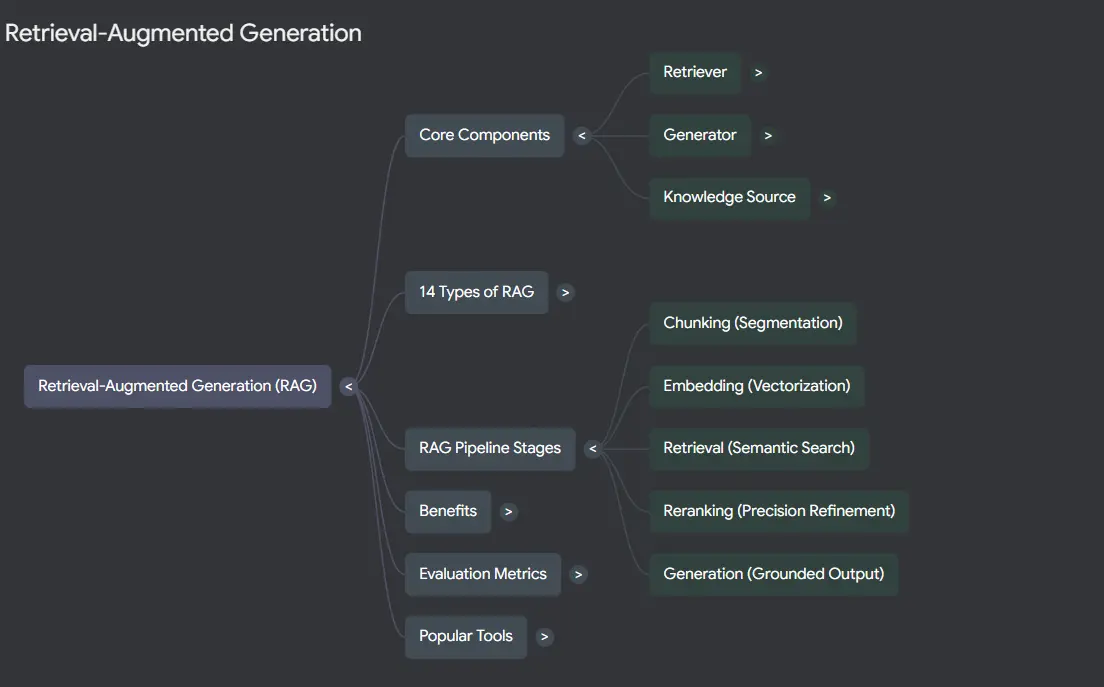
Retrieval-Augmented Generation (RAG)
If you’ve been following the explosion of Generative AI, you’ve almost certainly heard the acronym RAG. At API, we often describe RAG as the bridge between a Large Language Model’s (LLM) impressive linguistic skills and your company’s actual, private data.
But here is the catch: RAG isn't just one single thing anymore. As the technology has matured, it has evolved into a spectrum of architectures, each designed to solve specific problems. If you are looking to build an AI system that is grounded in facts rather than hallucinations, understanding these differences is key. Let’s dive into the different "flavors" of RAG and figure out which one fits your needs.
What is RAG, really? Before we get complicated, let’s stick to the basics. RAG is a technique that combines information retrieval with text generation. Instead of relying solely on what an AI model learned during its training (which might be outdated), RAG pulls real-time data from external sources, like your internal documents or a database, before generating a response.
Think of it like a student taking a test. A standard LLM is taking the test from memory. An LLM using RAG is taking an open-book test, able to look up the exact answer to ensure accuracy. This process drastically reduces hallucinations and ensures the model stays grounded in true information,. However, no single setup works well in every situation. Sometimes you need speed; other times, you need deep, complex reasoning. Here is how the landscape breaks down.
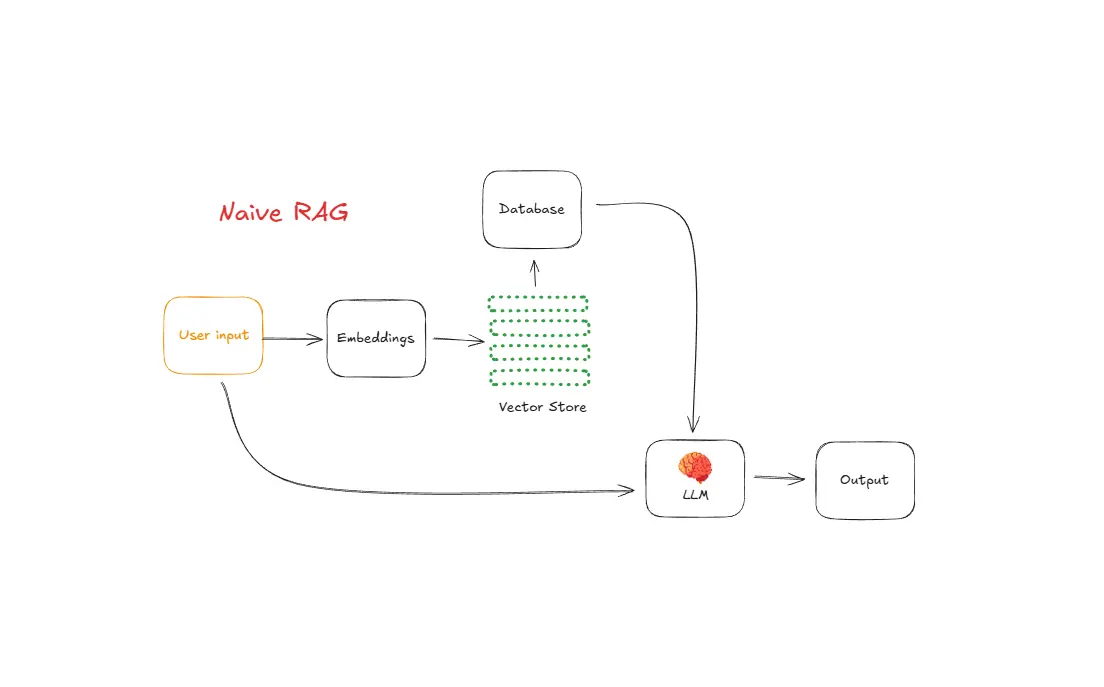
This is the "original" flavor. It works in a straightforward three-step process: indexing, retrieval, and generation. You ask a question, the system finds the most similar documents, and passes them to the model to write an answer.
Think of this as a toolkit. Modular RAG breaks the system into separate components (retrievers, rerankers, generators) that you can swap out or upgrade independently. It offers high flexibility, allowing you to customize workflows without rebuilding the entire system from scratch.
When you need an AI that thinks before it speaks, you move into these advanced territories.
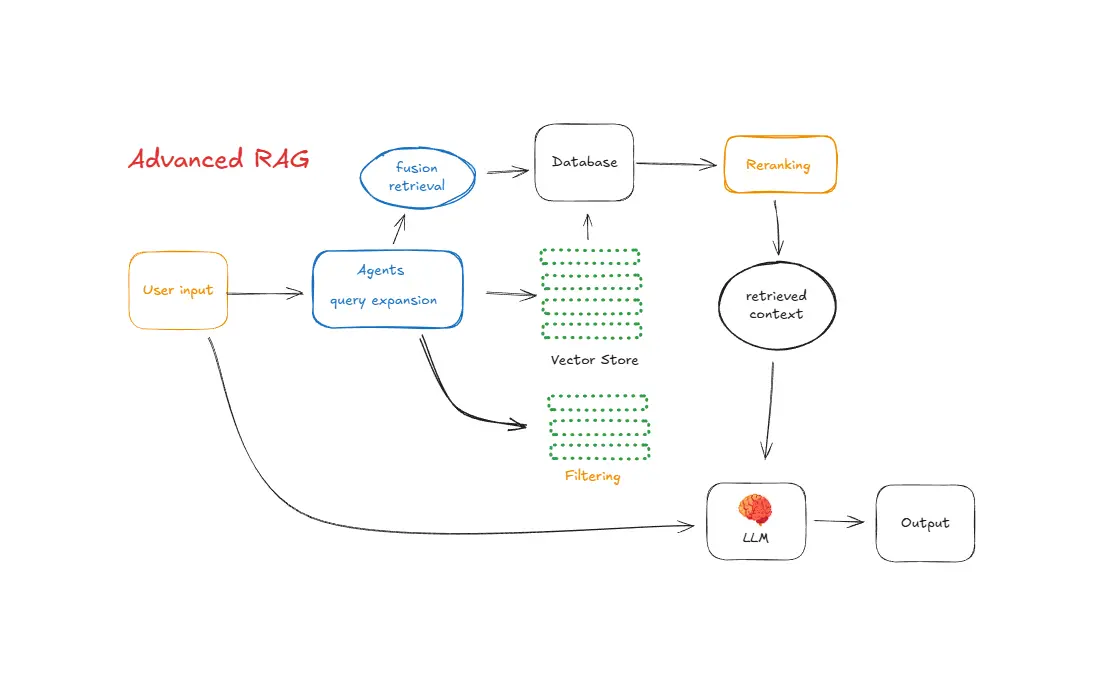
This takes the basic model and adds layers of sophistication, such as rewriting your query to make it clearer or reranking the search results to ensure the best data is prioritized. It is ideal for enterprise applications where making mistakes isn't an option.
This model learns from experience. It actually recognizes the type of question you are asking, is it simple? complex? broad? and adjusts its strategy accordingly. It balances speed and depth, ensuring you don't use a cannon to kill a mosquito.
Imagine an assistant who double-checks their work. Corrective RAG generates an answer but then steps back to ask, "Does this actually answer the question?". If the answer feels off, it drops the weak sources and tries searching again. This feedback loop is a game-changer for high-stakes environments like legal research.
Similar to Corrective RAG, Self-RAG acts like a researcher who constantly questions their own work. It uses specialized evaluation modules to critique its own output and catch mistakes before you ever see them.
This is where things get exciting for autonomous agents. Agentic RAG acts like an experienced researcher. Instead of just grabbing the first document it finds, it plans an approach, breaks the task into steps, and uses tools to investigate. It is dynamic and iterates on its own queries to build a comprehensive answer.
Best for: Complex financial analysis or multi-step legal research.
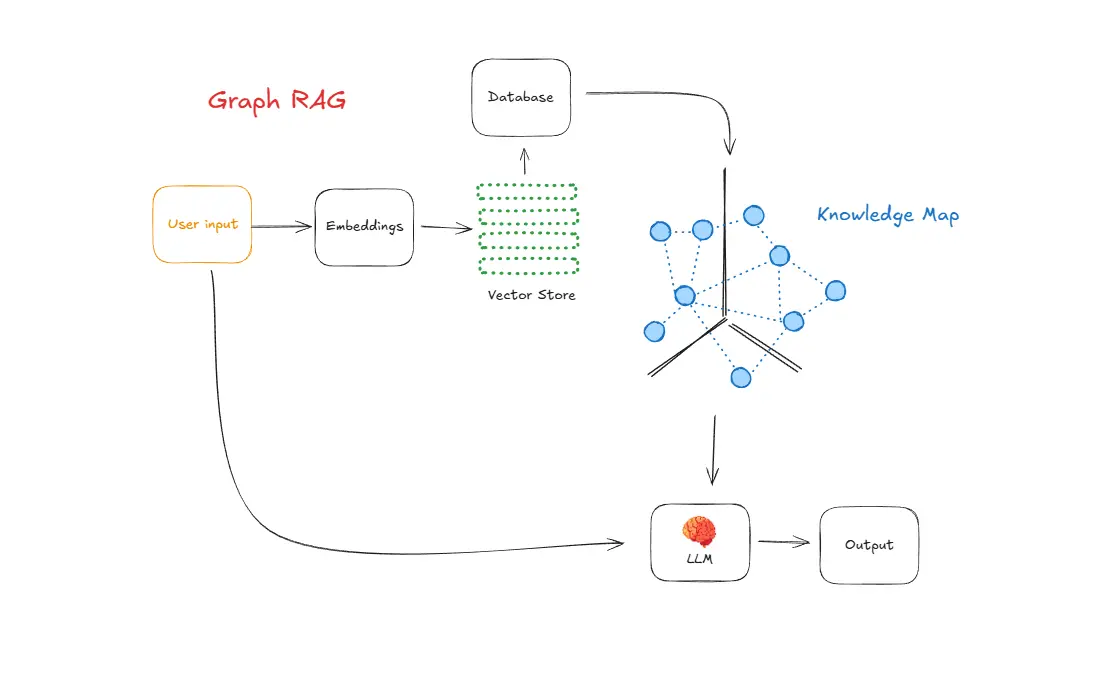
Sometimes, the connection between facts is more important than the facts themselves. Graph RAG uses knowledge graphs to understand relationships between entities. Even if a document doesn't contain your exact keywords, Graph RAG can find it if it is conceptually related, making it perfect for investigative work or business intelligence.
We don't just work with text anymore. Multimodal RAG can search through and understand images, videos, audio, and charts to build an answer. It combines these different media types to provide a complete perspective, which is great for visual topics.
This is a fascinating approach. When you ask a question, the system first generates a hypothetical answer, a guess at what the right answer looks like, and then uses that guess to search for real documents. It is surprisingly effective when traditional keyword searches struggle to find matches.
Need speed? Speculative RAG anticipates what you might ask next. It pre-fetches information for likely follow-up questions in the background while still processing your current one. It creates a much more natural, flowing conversation.
with Evidence-based Accuracy
Securely & Privately
Maximizing Efficiency

Written by
AI Solutions Engineer with more than six years of software engineering experience and three side ventures launched, combining technology and business development to turn ambitious ideas into practical AI solutions.
An AI in Education Session for Students and Teachers
Cultivating AI Fluency for Luxury Resale Leadership
Lead Qualification & Routing
A Comprehensive Guide to RAG Architectures and Implementation Strategies